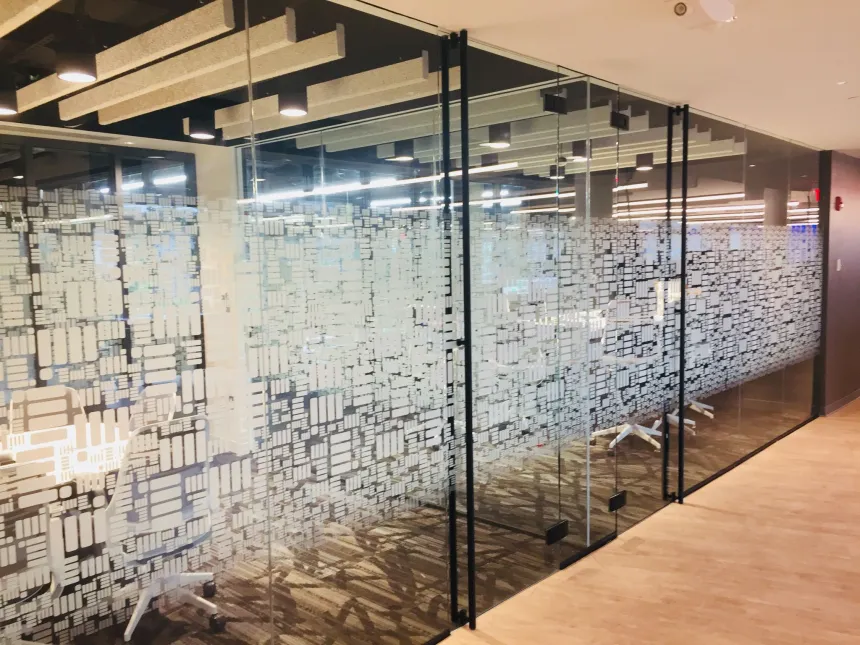
Decorative window film adds style, privacy, and a modern look to homes and businesses. Available in a variety of patterns and finishes, it enhances glass surfaces while allowing natural light to remain inside the space.

Tulsa Tint Solution provides professional window film services for homes and businesses in Tulsa, Oklahoma, helping reduce heat, glare, and harmful UV rays while improving privacy, comfort, and energy efficiency. We install solar control, security, decorative, and energy-efficient window films designed to enhance both the look and performance of glass, delivering durable results with professional installation and long-term value.

We use only premium material built to last.

Designed around your vision and lifestyle.

Delivering flawless results every time.

Your satisfaction is our top priority.
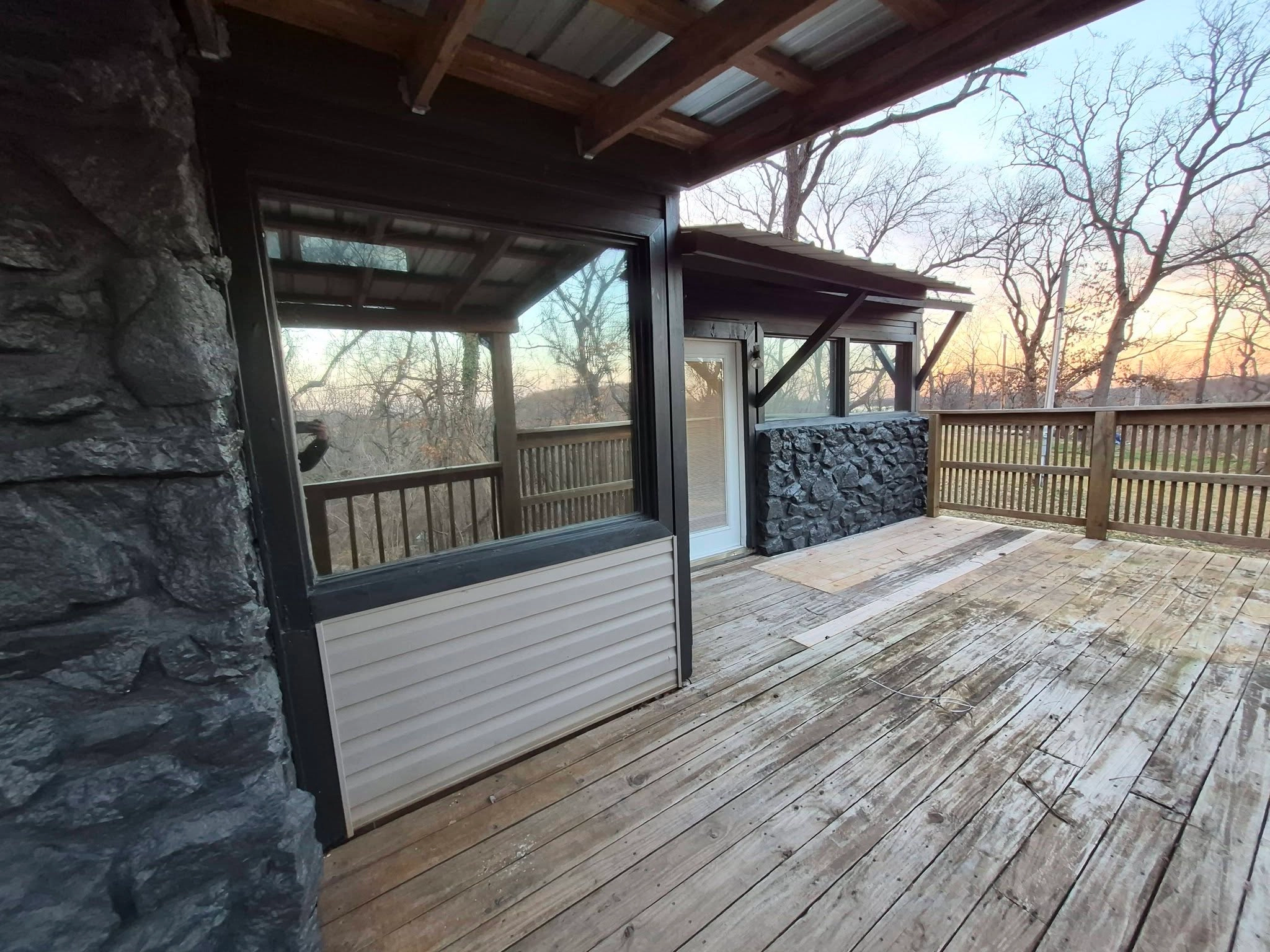
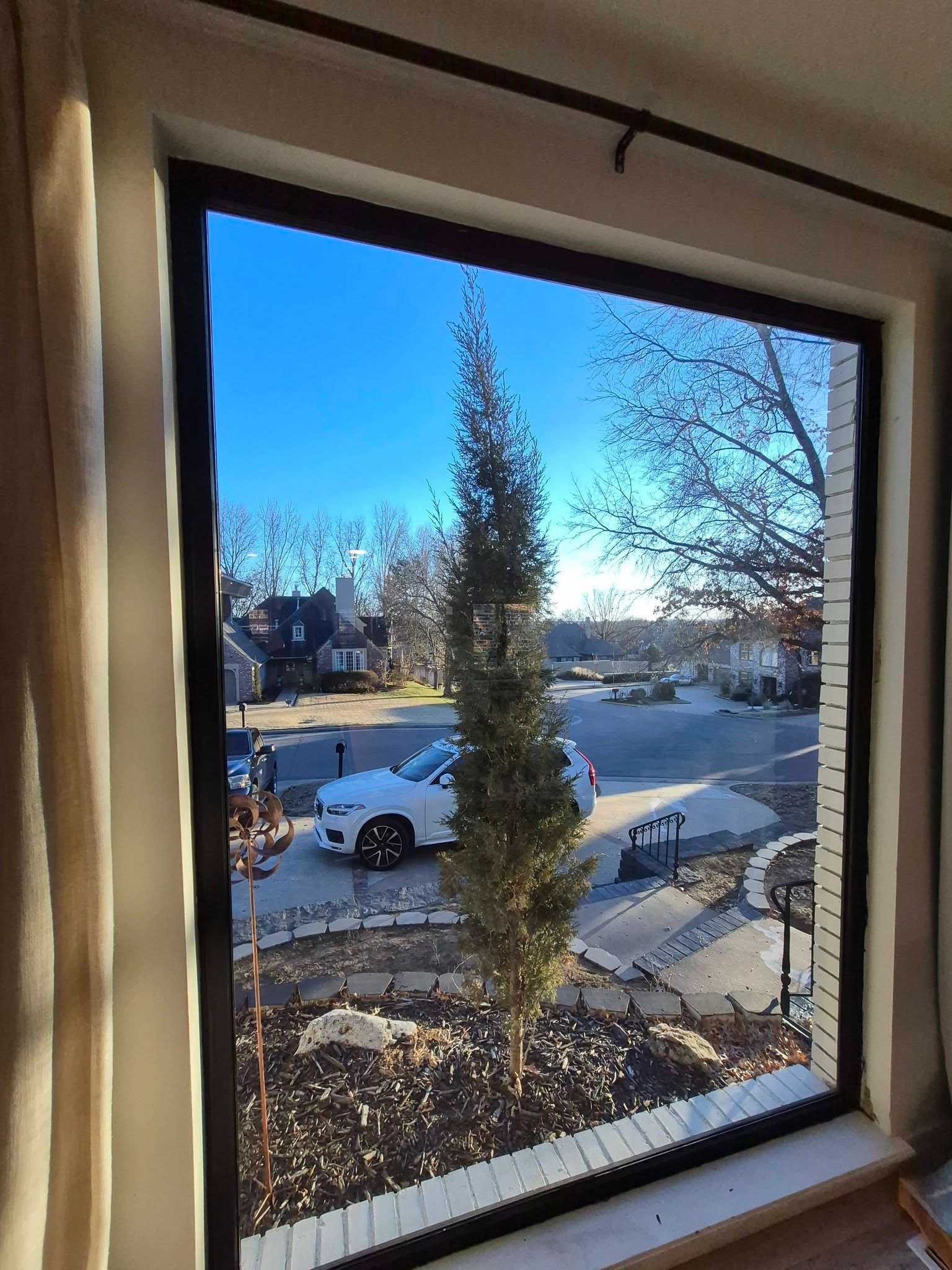
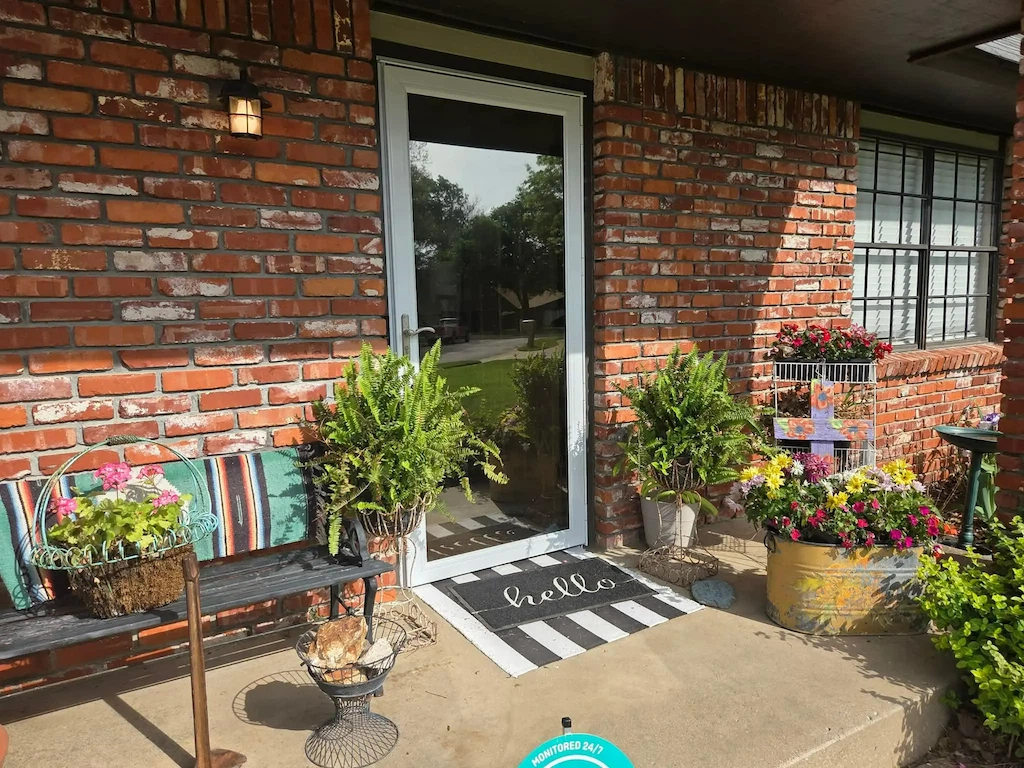
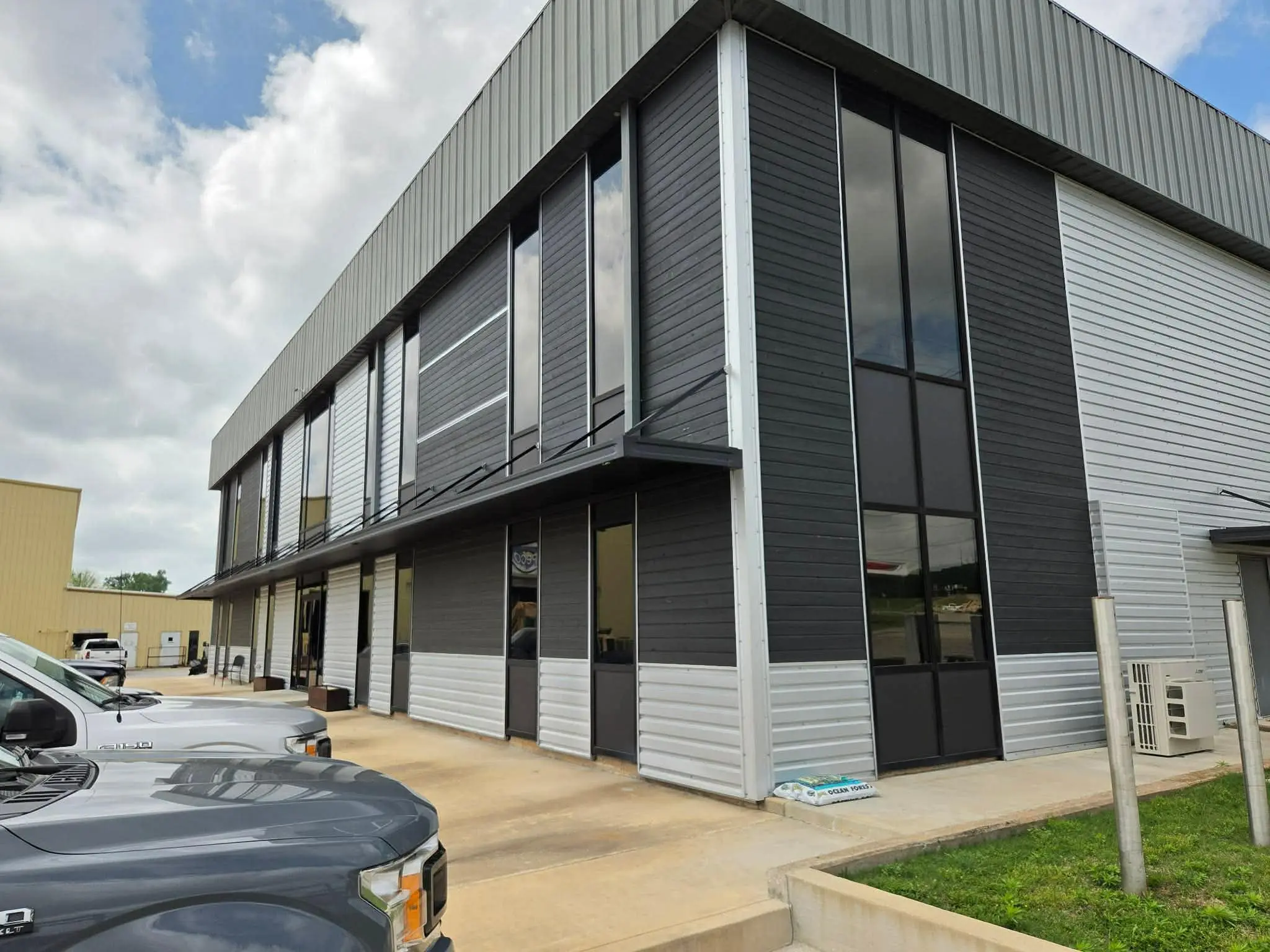
See Our Recent Window Tinting Work

01 - CONSULTATION
We listen to your goals and provide expert guidance.

02 - DESIGN AND PLANNING
We create a custom window film plan designed for your property.

03 - CONSTRUCTION
Our team gets to work with precision and respect for your home.

04 - FINAL WALKTHROUGH
We ensure every detail is perfect before we consider the job complete.
Decorative window film adds style, privacy, and a modern look to homes and businesses. Available in a variety of patterns and finishes, it enhances glass surfaces while allowing natural light to remain inside the space.
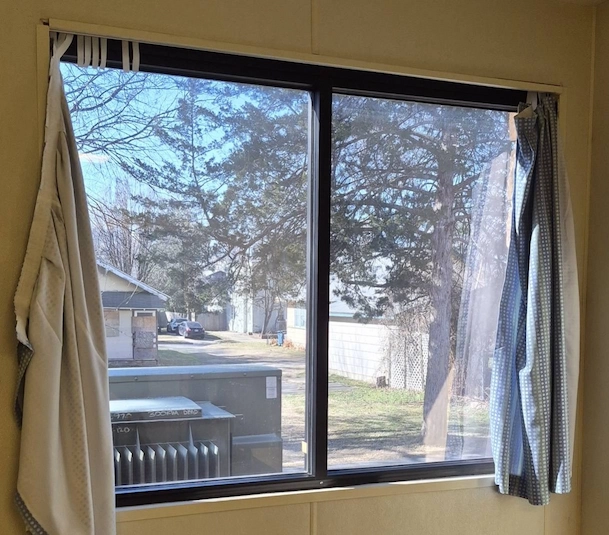
Solar window film helps reduce the impact of strong sunlight that comes through glass during the day. It is commonly used on west- and south-facing windows where rooms tend to heat up in the afternoon. Many homeowners and office spaces in Tulsa choose it to make indoor areas more comfortable without changing the natural look of their windows.
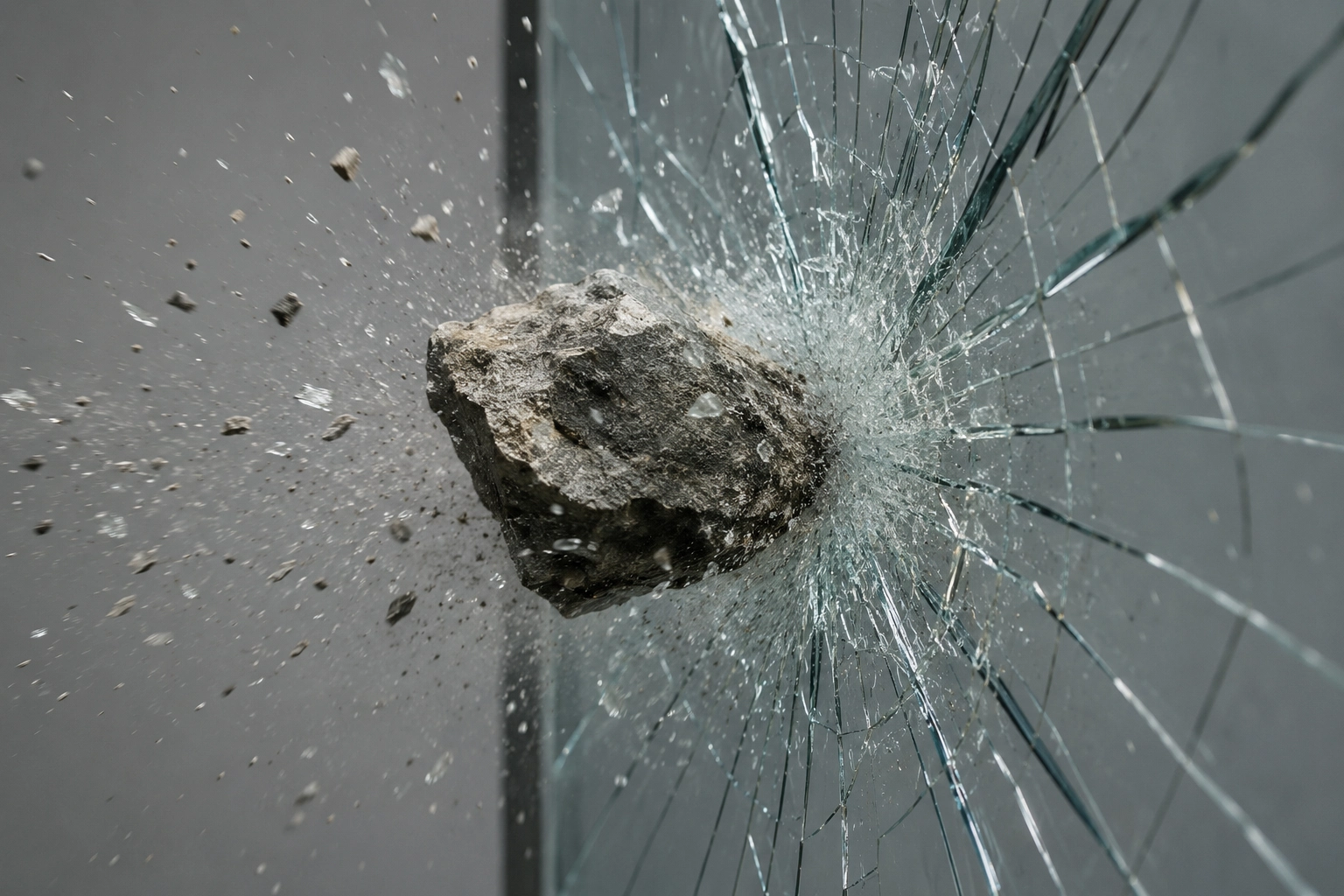
Security window film is added to glass to help it stay intact if it breaks from impact or force. It is often used on storefronts, entry doors, and ground-level windows where added protection is a concern. It works quietly in the background without changing how the glass looks from inside or outside.
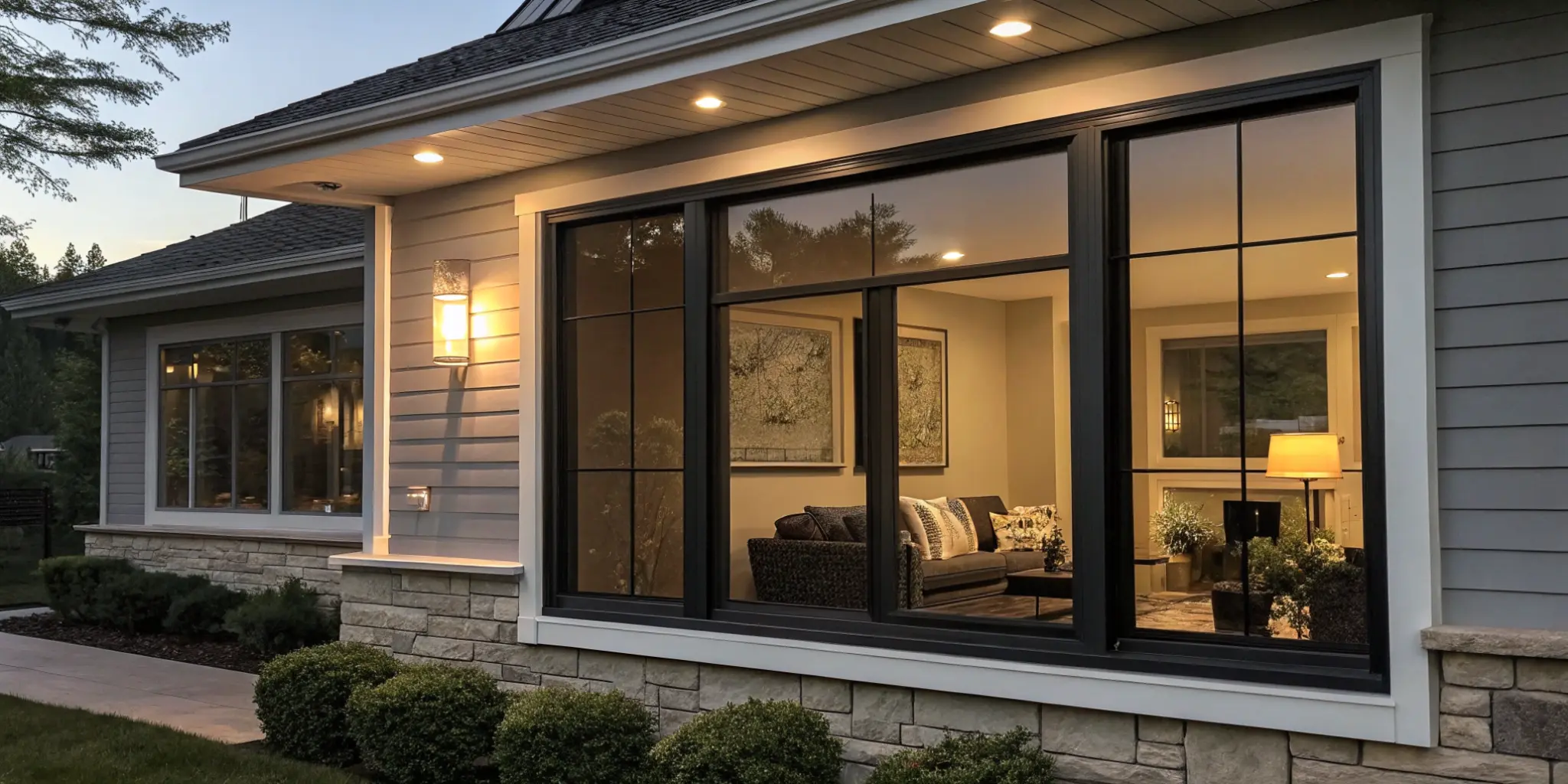
Residential window tinting is a common upgrade for homes that receive strong sunlight during the day. It can make living areas feel more balanced by reducing glare on TVs, furniture, and computer screens. Many homeowners in Tulsa use it to improve comfort in rooms like living rooms, kitchens, and sun-facing bedrooms.
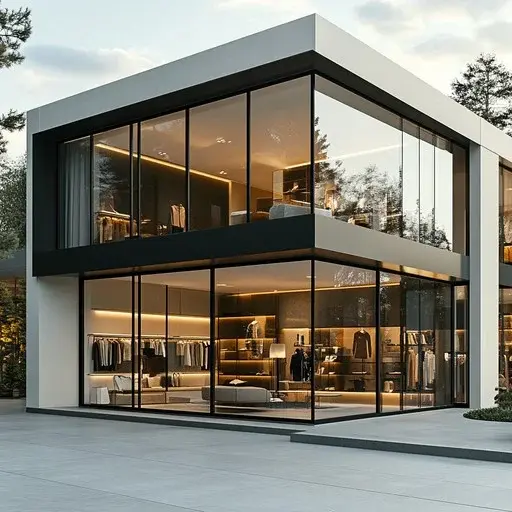
Commercial window tinting is often used in office buildings and retail spaces with large glass areas. It helps reduce harsh sunlight that can affect both employees and customers during the day. Businesses also use it to keep interiors looking clean and consistent from the outside while maintaining natural light inside.
Window film is a simple upgrade that can noticeably improve how your space feels every day. Instead of relying on heavy curtains or constantly adjusting blinds, it gives you better control over light, heat, and privacy without changing the look of your glass.
Most people notice a few changes pretty quickly after it’s installed:
The main advantage is balance—you still get natural light, just without the discomfort that usually comes with it.
We provide window tinting services across Tulsa and nearby communities. Most of our work comes from homeowners and businesses within a short drive of the city, but we also regularly serve surrounding areas depending on the project.
Some of the main areas we work in include:
If you’re located just outside these areas, it’s still worth reaching out. We often take on projects a bit farther out when scheduling allows, especially for residential homes and commercial buildings.
We don’t use flat “one price fits all” because every project is different. Pricing depends on glass size, film type, and installation difficulty, but here’s a real-world estimate of what most customers in Tulsa pay:
Most homeowners spend around $400–$1,800 depending on how many rooms they tint.
Pricing depends heavily on glass surface area and access (ground floor vs high-rise).
Window tinting in Tulsa typically costs $150 to $600 per room for residential projects, while full-home installations range from $1,200 to $3,500+. Commercial projects can range from $500 to $10,000+, depending on glass size and film type.
Most professional window films last 10 to 20 years depending on the quality of the film, installation, and sun exposure. High-performance ceramic and commercial-grade films last the longest.
Yes. Quality solar control window film can reduce heat from sunlight by up to 30%–80% depending on the film type, making indoor spaces significantly more comfortable during hot Tulsa summers.
No. Modern window films are designed to reduce heat and glare while still allowing natural light. Many films are nearly clear but still block UV rays and infrared heat.
Yes. Most professional-grade window films block up to 99% of UV rays, helping protect furniture, flooring, and skin from sun damage.
Yes. Homeowners use window film to:
It is one of the most cost-effective home upgrades.
Yes. Professional window film can be safely removed without damaging the glass when done correctly. It may require heat and adhesive removal tools.
Most residential installations take 1–4 hours, depending on the number of windows. Larger homes or commercial buildings may take 1–2 days.
Yes. Certain films provide daytime privacy, meaning you can see out while people outside cannot see in during daylight hours.
Ceramic window film offers:
Standard films are cheaper but less effective at heat rejection.
Tulsa Tint Solution, Tulsa, Oklahoma, USA. | Contact : +1 918 992 7487